
Liposomal Biotechnology
The term “liposome” is derived from two Greek words: “Lipos,” meaning fat, and “Soma,” meaning body. Liposomes were first discovered in 1961 by Dr. Alec D. Bangham and were published in 1964.
Liposomes are carrier systems composed of phospholipids, resembling the structure of cell membranes. They have amphiphilic properties with both hydrophilic and lipophilic parts, and their size typically ranges between 30 nm and 1000 nm.
Since the 1970s, liposomes have been studied as drug delivery systems due to their many potential advantages. In 1995, liposomal technology was first applied in cancer treatment with the FDA-approved drug Doxil®.
Liposomal Biotechnology
What is a Liposome?
The term liposome is derived from two Greek words: “lipos” meaning fat, and “soma” meaning body. It was first discovered in 1961 by Alec D. Bangham and published in 1964.
Liposomes are carrier systems ranging from 30 nm to 1000 nm, composed of phospholipids. They have an amphiphilic structure, meaning they contain both hydrophilic (water-attracting) and lipophilic (fat-attracting) parts, similar to cell membranes.
Since the 1970s, liposomes have been extensively studied as drug delivery systems due to their many potential advantages. In 1995, liposomal technology was first applied in cancer treatment with the FDA-approved drug Doxil.
Liposomal biotechnology is a technology that creates structures very similar to cells, enabling the effective delivery of active ingredients within the body. These structures are called liposomal vesicles. Liposomal vesicles are formed when an active ingredient is encapsulated within a double-layered phospholipid membrane.
Phospholipids are the main components of cell membranes in our body. Therefore, liposomal vesicles mimic natural cell membranes. The phospholipid layer surrounding the active ingredient protects it from degradation caused by enzymes or changes in pH levels in the body. This contributes to improving and prolonging the effectiveness of the active substance.
With Liposomal Biotechnology:
- The absorption of the active ingredient increases, enhancing its effectiveness.
- Stability is improved thanks to the phospholipid layer.
- The formation of side effects is reduced.
- It enables targeted delivery of active ingredients.



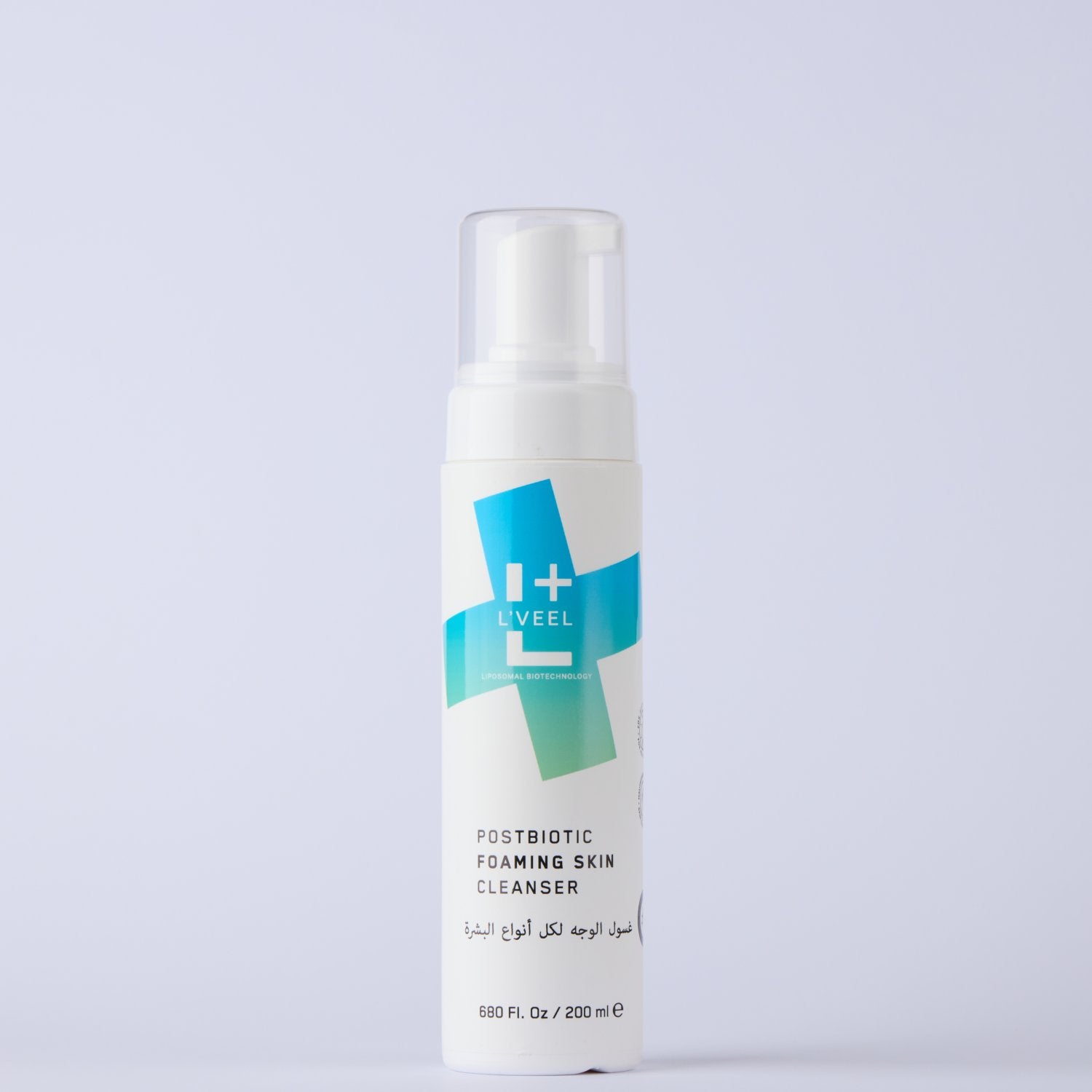
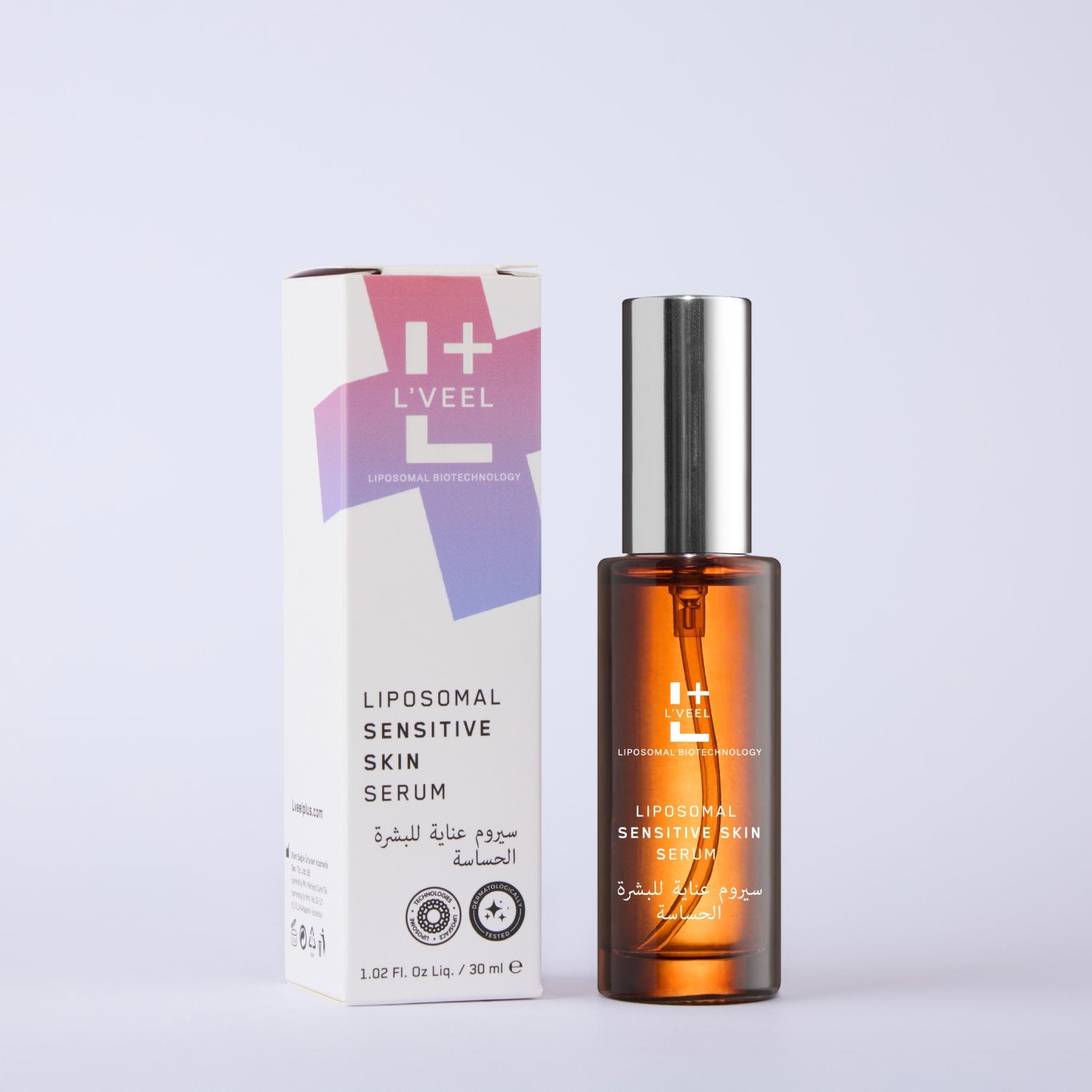

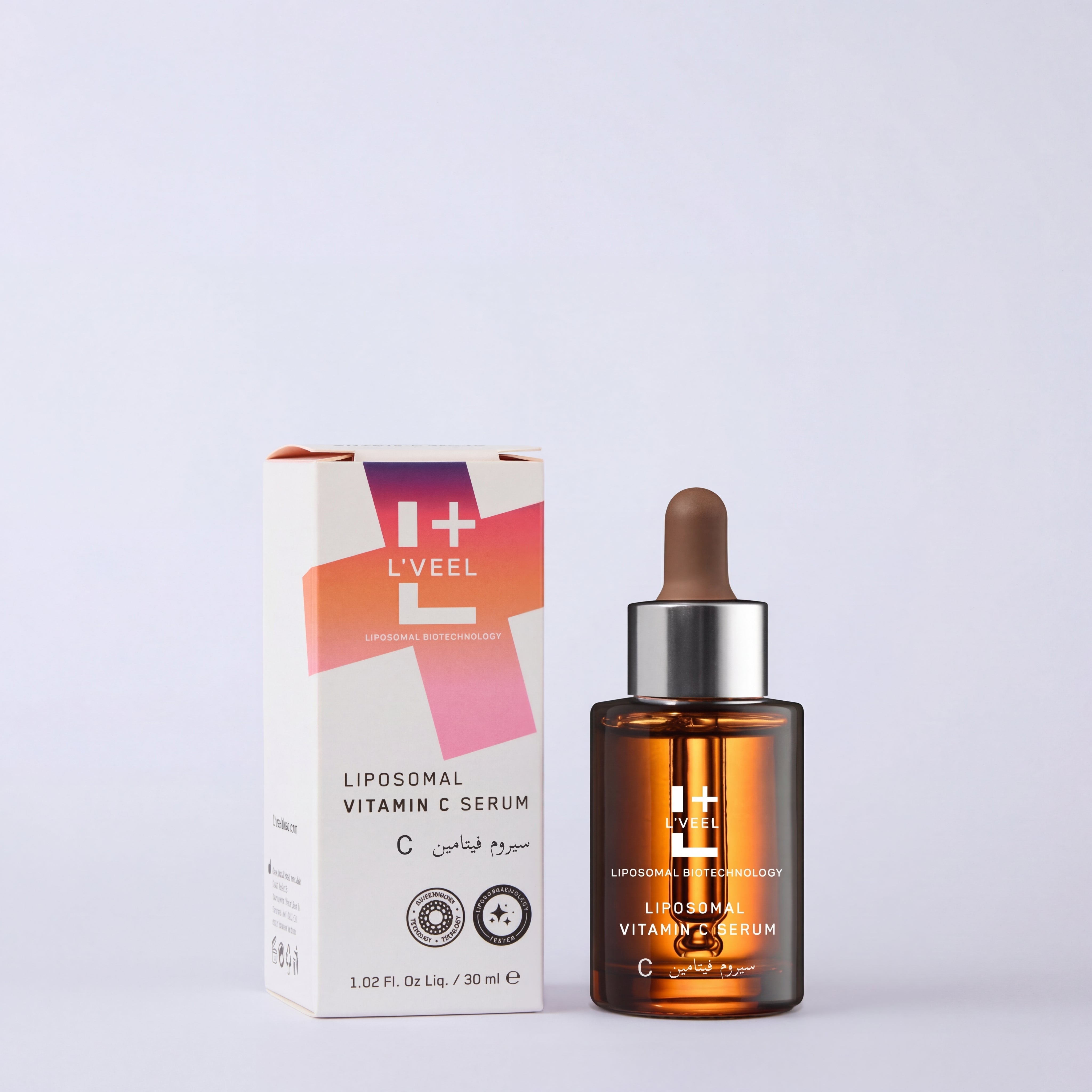
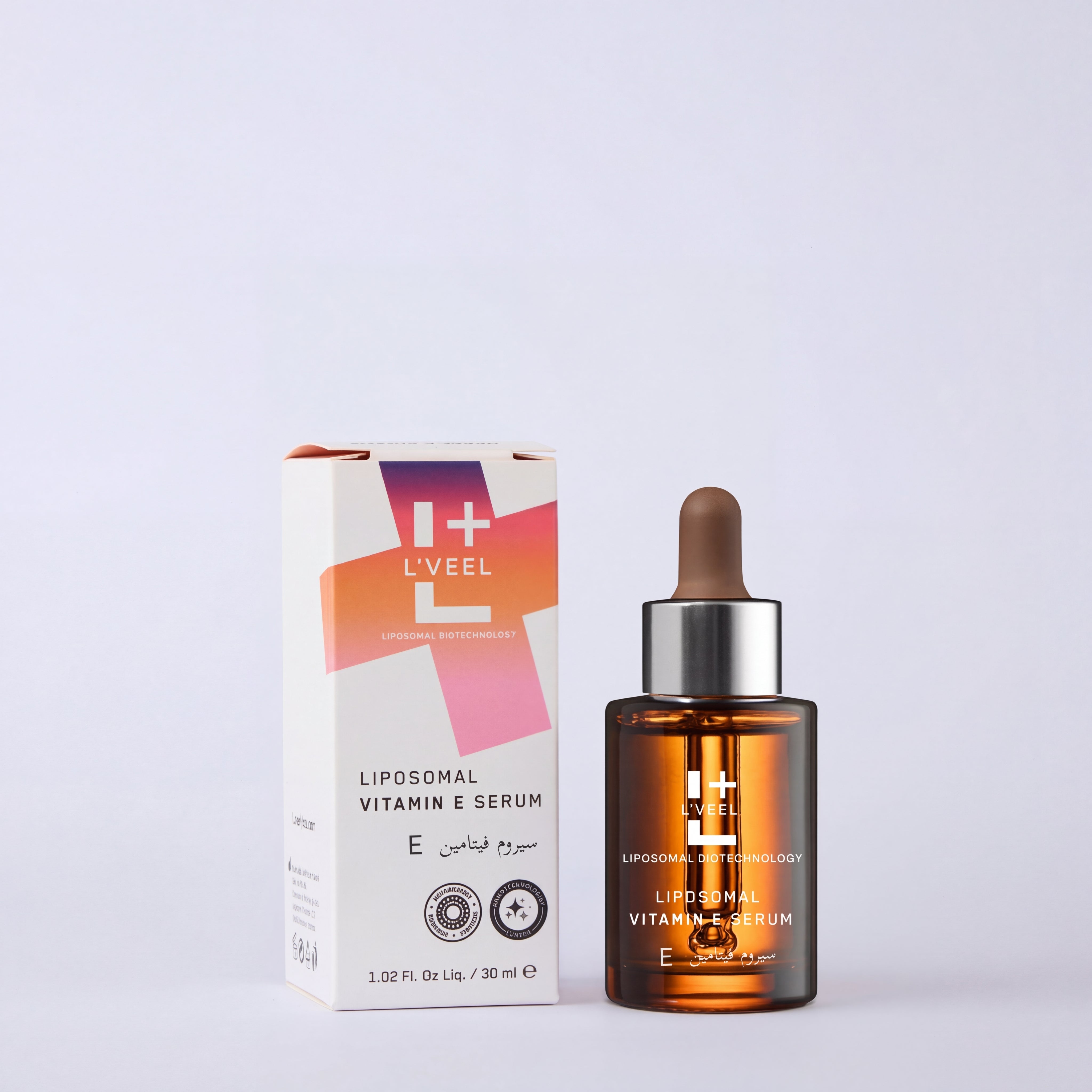
With Liposomal Biotechnology
The absorption of the active ingredient increases, thereby enhancing its effectiveness.
Stability is improved thanks to the phospholipid layer.
It helps prevent the formation of side effects.
It enables active and targeted delivery.


